
Understanding AHI Severity Levels in Sleep Apnea: What You Need to Know in 2025
Sleep apnea affects millions worldwide, yet many people live with it undiagnosed for years. One of the most important tools doctors use to assess the condition is the Apnea-Hypopnea Index (AHI) — a simple but powerful number that reveals how often your breathing stops or becomes shallow during sleep. Understanding your AHI severity level can be the first step toward reclaiming restful nights and vibrant days.
In this guide, we'll explore what AHI means, how severity levels are classified, real-world prevalence statistics, common symptoms, and the latest treatment options available in 2025. Whether you're newly diagnosed or supporting a loved one, this information will help you make informed decisions about sleep health.
What Exactly Is the Apnea-Hypopnea Index (AHI)?
The AHI is calculated during a sleep study (either in a lab or at home) and represents the average number of apnea and hypopnea events per hour of sleep. An apnea is a complete pause in breathing lasting at least 10 seconds, while a hypopnea is a partial blockage causing reduced airflow and oxygen drops.
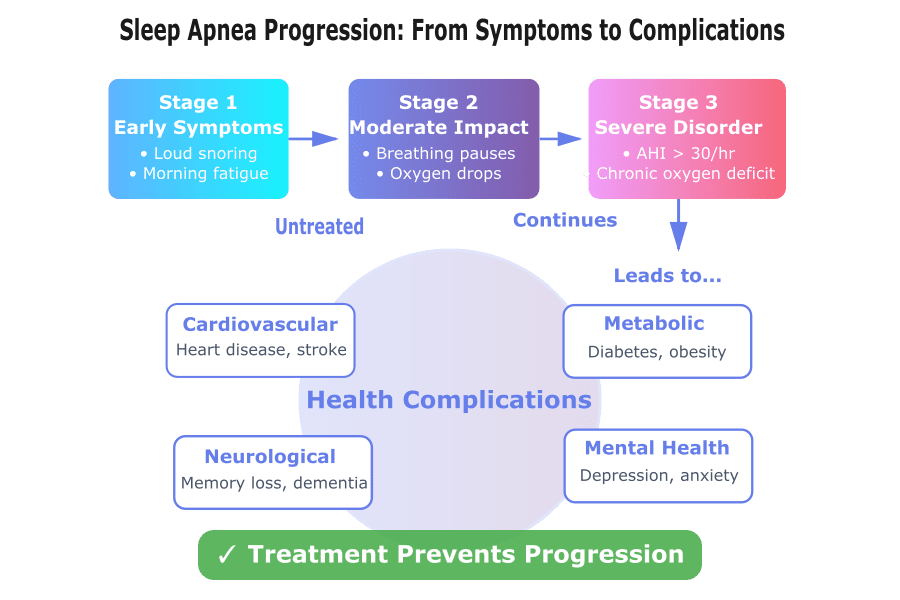
A healthy AHI score is below 5 events per hour. Once it rises above that threshold, sleep apnea is diagnosed and classified into three severity levels:
- Mild: 5–14.9 events per hour
- Moderate: 15–29.9 events per hour
- Severe: 30 or more events per hour
How Common Are the Different Severity Levels?
As shown in the chart above, the majority of diagnosed sleep apnea cases fall into the mild category — about 61%. This means most people experience 5–15 breathing interruptions per hour. While “mild” may sound reassuring, even this level can lead to daytime fatigue, poor concentration, and increased cardiovascular risk if left untreated.
Moderate sleep apnea accounts for roughly 24% of cases, and severe makes up the remaining 15%. These numbers highlight an important point: while severe cases get the most attention due to their dramatic health risks, the vast majority of patients are in the mild to moderate range — where early intervention can make a huge difference.
Symptoms by Severity Level
Symptoms often (but not always) worsen with higher AHI scores:
- Mild: Occasional loud snoring, morning headaches, mild daytime tiredness, trouble focusing.
- Moderate: Frequent snoring, witnessed breathing pauses, significant daytime sleepiness, mood changes.
- Severe: Very loud snoring, frequent gasping/choking at night, extreme fatigue, memory issues, high blood pressure, depression risk.
Treatment Options in 2025
Treatment is highly personalized and depends on severity, anatomy, and lifestyle. Common approaches include:
- CPAP therapy (gold standard for moderate to severe)
- Oral appliances (effective for mild to moderate)
- Positional therapy and weight management (especially for mild cases)
- Newer options like hypoglossal nerve stimulation implants and advanced home sleep testing devices
Thanks to advancements in wearable technology and AI-driven monitoring, many people now track their sleep patterns at home and catch issues earlier than ever before.
Take Control of Your Sleep Health Today
Understanding your AHI severity level empowers you to seek the right treatment and prevent long-term complications. If you snore regularly, feel tired despite adequate sleep time, or have been told you stop breathing at night — talk to a healthcare professional.
At Zen Sleep Zone, we're dedicated to helping you achieve deeper, more restorative sleep. Explore our resources, products, and expert guides designed to support your journey toward better nights and brighter days.
Sweet dreams are possible — start tonight.


