
The short answer
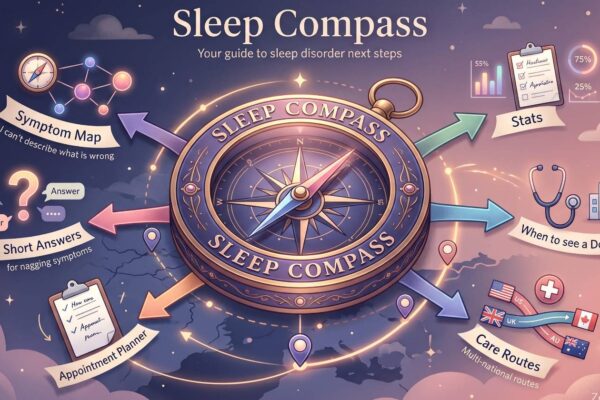
Spirituality and sleep for beginners starts with one simple choice: what kind of support do you want tonight? Prayer, reflection, or quiet breathing may feel comforting, but they are not the same as insomnia treatment. Pick what you need below and go straight to the page that fits.

Spirituality and sleep for beginners: choose your starting point
Choose what you need right now, and you’ll go straight to the page that fits.
Every starting point
If you just need a starting point
Find a comfortable place to begin tonight
This is the starting point for spirituality and sleep without pressure. It introduces the choices and helps you find an approach that respects your beliefs.
Start with tonight A gentle first step, what you can try, and where to go next.If you want to try a quiet practice
Choose a practice that feels comfortable
You can choose ordinary breathing, a personal intention, or a gratitude-based reflection. Guided meditation is another option if you prefer a recorded voice.
Open the practice timer Choose your own duration and practice label, then use the optional timer. Build a gentle routine Explore optional bedtime practices and ways to adapt them to your preferences.- Explore sleep meditation techniques
- Understand the research behind practices
If you have one question about faith or dreams
Find an answer to your specific concern
Your beliefs, dreams, and nighttime experiences can raise different questions. This route helps you find a focused answer without assuming every experience has a spiritual cause.
Explore common questions Find answers about religious doubts, dreams, sleep experiences, and personal beliefs. Understand nighttime experiences Explore night waking, dreams, and sleep paralysis alongside medical explanations.If you want to understand the research
See what the research can really tell you
Different studies examine different things, including spiritual beliefs, sleep quality, and tested practices. This page keeps those findings and their limits separate.
Explore the sleep statistics See study groups, research samples, outcome measures, and the limits of current findings. Understand the evidence Compare research findings with current guidance for ongoing insomnia.If you want to see how the options connect
See the whole picture in one place
Spirituality and sleep involve beliefs, personal comfort, optional practices, research, and professional care. A connected view helps you understand how these parts fit together.
Open the spirituality mind map Explore the connections between beliefs, practices, evidence, nighttime experiences, and care. Understand beliefs and sleep Explore personal comfort, spiritual worries, and their relationship with sleep.Quick questions
Where should a beginner start?
Start with what feels comfortable and meaningful to you. You don’t need to follow a particular religion or adopt a new belief. Prayer, quiet reflection, ordinary breathing, and guided meditation offer different starting points. Choose the option that matches your preferences, then explore its purpose and limits.
Do I need to read the whole guide?
No. The Compass is designed to help you reach the right resource without reading everything first. Choose one need and follow its main card. You can explore the other formats later if you want more detail about practices, evidence, personal questions, or the wider topic.
Sources
-
Supports the distinction between treatment guidance for chronic insomnia and optional relaxation practices.
-
Reviews observational research on the relationship between religiosity and sleep in adults.
-
Provides public-health information about meditation, mindfulness, their possible benefits, and safety limits.
-
Supports the optional use of meditation as part of a bedtime wind-down approach.
-
Supports the distinction between ongoing insomnia and occasional sleep difficulty.
This Compass points you to the right page; it can’t diagnose you or replace care from a clinician who knows your health. Sources checked . Researched from the sources above, drafted with AI assistance and edited by Aamir Bashir, Founder & Editor (editorial policy).