
CBT-I Is First-Line — Before Any Medication
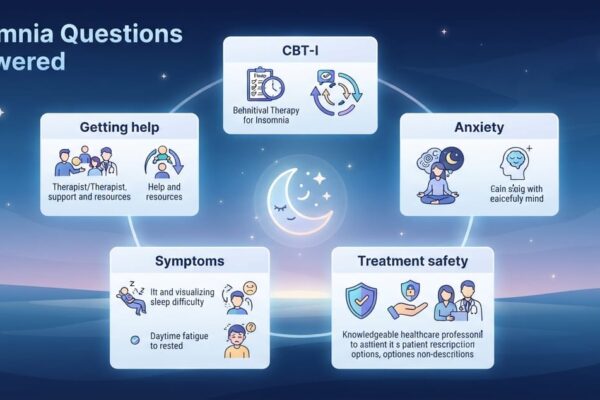
Natural insomnia treatment refers to evidence-based, non-pharmacological approaches for improving sleep quality and duration, including Cognitive Behavioral Therapy for Insomnia (CBT-I), sleep hygiene optimization, circadian rhythm alignment, and carefully selected natural supplements. The hierarchy prioritizes behavioral interventions first, with supplements serving as adjuncts rather than primary treatments. Both the American Academy of Sleep Medicine and the American College of Physicians recommend CBT-I before any medication for chronic insomnia. For the complete guide, explore our natural insomnia treatment guide.
What People Actually Say
“I’ve tried everything and still can’t sleep.”
This feeling is real, and more common than you think — the exhaustion of trial-and-error is often a sign you haven’t yet reached the most effective level of treatment, not that nothing will work for you.
This content is for informational purposes only and is not a substitute for professional medical advice, diagnosis, or treatment.
Cognitive Behavioral Therapy for Insomnia (CBT-I) is the most effective natural treatment for chronic insomnia. Leading medical authorities — including the American Academy of Sleep Medicine and the American College of Physicians — recommend CBT-I as first-line treatment before any medication.
CBT-I works by targeting the learned behavioral and cognitive patterns that perpetuate insomnia, not just the symptoms. Unlike sleeping pills, it addresses root causes — conditioned arousal, dysfunctional sleep beliefs, and fragmented sleep drive — producing durable, long-term outcomes. A 2026 systematic review and meta-analysis published in Frontiers in Psychiatry synthesizing 28 papers including five clinical guidelines confirmed CBT-I as an effective first-line intervention for chronic insomnia, with minimal adverse effects compared to pharmacological treatments — see the full evidence at Frontiers in Psychiatry (2026).
Many people describe months of trying sleep tips, supplements, and bedtime routines — without understanding that sleep hygiene alone is only one small component of a comprehensive treatment protocol. The moment they encounter CBT-I’s full structure, something clicks.
What this means for you: Before reaching for any supplement, understand that CBT-I is where the strongest, longest-lasting evidence lives. Explore the complete protocol in our CBT-I for insomnia guide.
Hyperarousal is the most common reason exhausted people cannot fall asleep. The brain enters a state of physiological over-activation — elevated cortisol, heightened alertness, racing thoughts — that overrides the sleep drive even when body fatigue is severe.
Hyperarousal in chronic insomnia is driven by a conditioned response: repeated nights of lying awake in bed teach the brain to associate the bedroom with wakefulness and anxiety. Over time, the bed itself triggers alertness rather than sleep. This mechanism is well-documented in behavioral sleep medicine; the stress-insomnia cycle amplifies it further when worry about sleeplessness becomes its own arousal source.
Many people describe lying in bed completely exhausted but unable to “switch off” — watching their thoughts race while their body aches for sleep. This is textbook hyperarousal, and it is fixable with the right behavioral intervention.
Bed repeatedly paired with wakefulness — brain learns the association.
Mind races at bedtime; exhausted body, alert brain — every night.
Stimulus control — leaving bed after 20 min breaks the conditioned arousal.
What this means for you: The problem is not your brain — it is a learned pattern that CBT-I is specifically designed to reverse. Read more about what fuels this cycle in our piece on cortisol and sleep disruption.
Chronic insomnia is most commonly caused by learned behavioral patterns, cognitive hyperarousal, and circadian disruption — not a permanent brain disorder. Non-pharmacological treatment targets these root causes directly through CBT-I, behavioral restructuring, and sleep schedule stabilization.
Sleep medicine uses the “3P model” to explain insomnia: predisposing factors (anxiety tendency, stress reactivity), precipitating events (illness, life stress, grief), and perpetuating behaviors (irregular schedules, excessive time in bed, clock-watching) that lock the problem in place. The good news: perpetuating behaviors are almost entirely modifiable without medication. Mayo Clinic (2023) notes that CBT-I addresses root causes rather than masking symptoms, making it the preferred long-term approach.
Many people describe a single stressful period — a job loss, a health scare, a newborn — that started the insomnia, followed by months of worry about sleep itself keeping it alive long after the original trigger has gone.
Start a sleep diary tonight: log your bedtime, wake time, estimated sleep onset, and any middle-of-night awakenings. Two weeks of data reveals the exact perpetuating patterns that CBT-I targets — and gives you a baseline to measure progress against.
What this means for you: Identifying whether your insomnia is acute (days to weeks) or chronic (3+ months, 3+ nights per week) determines how aggressively to intervene. Our insomnia overview guide explains this distinction in full.
Middle-of-night awakening followed by inability to return to sleep — commonly called sleep maintenance insomnia — is the most frequent complaint among adults with chronic insomnia. Early-morning cortisol surges, anxiety, and conditioned arousal are the primary drivers.
Around 3–4am, the body naturally shifts from deep slow-wave sleep into lighter REM-adjacent stages, making arousal easy. For people with sleep maintenance insomnia, waking at this point activates the stress-arousal system — often with racing thoughts about work, health, or relationships — making return to sleep difficult or impossible. Waking at 3am with anxiety has its own intervention logic distinct from sleep-onset insomnia.
Many people describe waking bolt upright at 3am, mind immediately flooded with worry, and then spending two hours trying to force themselves back to sleep — which, counterproductively, deepens the arousal and shortens the following night’s sleep window.
When you wake at 3am, do not check the time — it amplifies anxiety. Stay in bed only if you feel genuinely drowsy. After 20 minutes of wakefulness, apply the stimulus control rule: leave the bedroom, do something calm in dim light, return only when sleepy.
What this means for you: Sleep maintenance insomnia responds well to both sleep restriction therapy and stimulus control — both components of CBT-I. Explore the full anxiety-sleep connection in our anxiety before bed guide.
Insomnia is one of the most widespread health conditions on the planet. Globally, an estimated 852 million adults have insomnia — a 16.2% global prevalence — and 415 million have severe insomnia. In the US alone, 15.4% of adults have trouble falling asleep most days or every day.
The scale is staggering, and it carries serious health costs. Chronic insomnia is associated with increased risk of depression, cardiovascular disease, impaired immune function, and workplace performance deficits. Despite its prevalence, research suggests only around 1% of people with insomnia access the most effective evidence-based treatment — CBT-I — because awareness remains low, according to Flinders University / Medical Xpress (2025).
Many people describe feeling profoundly alone at 3am, assuming they are uniquely broken — when in reality, hundreds of millions of people worldwide are lying awake at that very same moment.
📊 What the Research Shows
In 2024, 15.4% of US adults had trouble falling asleep most days or every day, and 18.1% had trouble staying asleep — affecting tens of millions of working-age adults across every demographic.
— CDC National Center for Health Statistics, 2025 | Tier 1
What this means for you: You are not broken, and you are not alone. For a full picture of the global sleep crisis, visit our natural insomnia treatment statistics hub.
The brain learns to associate bed with wakefulness through repeated nights of lying awake, creating conditioned arousal that perpetuates insomnia.
Hyperarousal triggers bedtime anxiety — 15.4% of US adults face this most days (CDC, 2025). Sleep pressure erodes, nights worsen.
Stimulus control protocol — leave bed after 20 minutes of sleeplessness, return only when sleepy — systematically breaks the conditioning. Research evidence → | Full technique guide →
Melatonin is not the best natural treatment for chronic insomnia. On average, melatonin reduces time to fall asleep by approximately 7–10 minutes in adults with primary insomnia — a modest effect best suited for circadian-phase issues such as jet lag, shift work, and delayed sleep phase, not conditioned wakefulness.
Melatonin is a timing hormone, not a sedative. It signals “it is dark, prepare for sleep” but does not generate sleep pressure or override hyperarousal. For primary insomnia driven by conditioned arousal and dysfunctional beliefs, CBT-I produces far larger and more durable effects. As Mayo Clinic (2023) notes, behavioral therapy addresses root causes while supplements do not.
Many people describe taking melatonin for months without lasting improvement, concluding that “nothing natural works” — when the real issue is that melatonin was the wrong tool for the actual problem.
Melatonin is the best natural sleep remedy — take more for better results.
Melatonin reduces sleep latency by ~7–10 minutes on average for primary insomnia. Higher doses are not more effective and may cause next-day grogginess. Optimal dose: 0.5–3 mg, taken 1–2 hours before bed.
What this means for you: Melatonin can play a supporting role when timed correctly, but it cannot replace behavioral treatment. Explore the full supplement evidence comparison in our natural insomnia treatment visual guide.
CBT-I is one of the most rigorously validated treatments in sleep medicine. Multiple systematic reviews and meta-analyses confirm its efficacy for improving sleep quality, sleep onset latency, and daytime functioning in adults with chronic insomnia — with benefits lasting years after treatment ends.
The evidence base is substantial and consistent. A 2025 network meta-analysis found CBT-I produced long-term insomnia remission in 41% of patients compared to 28% for pharmacotherapy, with high-certainty evidence. A 2026 systematic review in Frontiers in Psychiatry synthesizing five clinical guidelines, 12 systematic reviews, and eight meta-analyses confirmed CBT-I as an effective first-line intervention with minimal adverse effects — see full evidence: Frontiers in Psychiatry (2026).
Many people describe skepticism before trying CBT-I — “It’s just talking about sleep, how will that fix anything?” — followed by surprise at how quickly sleep efficiency improves when the behavioral protocols are applied consistently.
What this means for you: CBT-I is not optional or supplementary — it is the treatment hierarchy’s top tier. For a complete breakdown of each CBT-I technique, read our detailed CBT-I for insomnia guide.
Anxiety and insomnia share a bidirectional, reinforcing relationship: anxiety activates the stress-arousal system at bedtime, preventing sleep onset, while sleep deprivation worsens next-day anxiety — creating a self-sustaining cycle that requires simultaneous intervention on both fronts.
Anxiety triggers cortisol and adrenaline release, keeping the nervous system in a low-grade threat-detection state that is physiologically incompatible with sleep. The cognitive component — worry about not sleeping — then adds a second layer of arousal. CBT-I directly addresses sleep-focused anxiety through cognitive restructuring, while relaxation techniques (progressive muscle relaxation, diaphragmatic breathing) address the physiological arousal component. Explore the full mechanism in our guide on stress and sleep connection.
Many people describe lying awake worrying about lying awake — recognizing intellectually that the anxiety is making things worse, but feeling powerless to stop it. This is precisely what CBT-I’s cognitive restructuring component targets.
Anxiety activates the threat system; sleep deprivation then amplifies anxious reactivity.
Racing thoughts at bedtime; catastrophic predictions about tomorrow’s performance.
Cognitive restructuring + stimulus control breaks both the arousal loop and the conditioned fear.
What this means for you: Treating sleep without addressing anxiety — or treating anxiety without addressing sleep — produces incomplete results. Our article on anxiety before bed provides targeted techniques for the bedtime anxiety spiral.
Excess time in bed worsens insomnia rather than improving it. Prolonged wakefulness in bed fragments sleep, dilutes sleep pressure, and deepens conditioned arousal — making chronic insomnia progressively harder to resolve. Sleep restriction therapy intentionally limits time in bed to rebuild concentrated sleep drive.
Sleep drive — the homeostatic pressure to sleep that builds with each hour of wakefulness — is the engine of natural, consolidated sleep. Spending ten hours in bed while only sleeping five hours spreads that drive thin, producing light, fragmented, unrepairing sleep. Sleep restriction therapy compresses the sleep window to match actual sleep time (often 5.5–6 hours initially), then expands it gradually as sleep efficiency climbs above 85%.
Many people describe going to bed earlier and earlier hoping to “catch up,” only to find they wake at 3am more reliably than ever — the exact pattern that sleep restriction therapy is designed to reverse.
More time in bed means more sleep — go to bed earlier to get more rest.
Excess time in bed dilutes sleep pressure and fragments sleep architecture. Sleep restriction — limiting bed time to actual sleep time — is a core CBT-I technique that consolidates sleep and improves efficiency rapidly.
What this means for you: Sleep efficiency (actual sleep ÷ time in bed × 100) is a more meaningful target than raw hours in bed. Tracking it with a sleep diary reveals whether your current schedule is helping or harming. See the full circadian context in our guide to circadian rhythms and sleep.
Magnesium deficiency is the most evidence-linked nutritional deficit associated with sleep disruption. Magnesium regulates GABA receptors and melatonin pathways; low levels correlate with increased nighttime cortisol, muscle tension, and difficulty staying asleep. Vitamin D deficiency also disrupts circadian regulation in some individuals.
Research published in PMC confirms that several natural compounds — including magnesium and melatonin precursors — modulate GABAergic neurotransmission, which governs the brain’s sleep-readiness state. However, nutritional deficits are rarely the sole cause of chronic insomnia; they are more often contributing factors layered onto behavioral and psychological perpetuating patterns. A literature review (PMC, 2024) notes that while certain supplements show promise, their use should be guided by evidence and individual requirements.
Many people describe taking magnesium as a turning point — especially for middle-of-night awakenings and muscle tension at bedtime — though results vary significantly by deficiency level, dose, and form of magnesium used.
📊 What the Research Shows
Magnesium glycinate and magnesium threonate show the strongest sleep-related evidence among magnesium forms. Typical effective doses range from 200–400 mg elemental magnesium, taken 30–60 minutes before bed. Deficiency is estimated to affect up to 50% of US adults.
— PMC Literature Review, 2024 | Tier 1
What this means for you: Before supplementing, discuss with a healthcare provider, especially if you take medications for heart, kidney, or blood pressure conditions. Magnesium interacts with several drug classes. Then explore our full supplement comparison in the natural insomnia visual guide.
Alcohol reliably worsens sleep quality despite producing initial drowsiness. It suppresses REM sleep, fragments the second half of the night with arousals, and — with regular use — increases baseline insomnia severity. It is one of the most common inadvertent insomnia perpetuators.
Alcohol is metabolized within 4–5 hours, producing a rebound activation of the nervous system mid-sleep — the same 2–3am awakening that so many people with insomnia report. Chronic alcohol use for sleep onset also builds tolerance rapidly, requiring increasing amounts to achieve the same sedative effect while delivering diminishing sleep quality. Alcohol and caffeine elimination are among the highest-leverage sleep hygiene interventions, particularly for those whose insomnia began during or after periods of increased alcohol use.
Many people describe a glass of wine as part of their wind-down routine, genuinely believing it helps — only to notice that they wake reliably at 3am on drinking nights, once they start tracking it in a sleep diary.
Set a firm alcohol cutoff at least 3 hours before your target bedtime. Better still, eliminate it entirely for 2–3 weeks as a diagnostic experiment — the improvement in middle-of-night sleep for regular drinkers is often dramatic within days.
What this means for you: The “nightcap” is one of the most common insomnia perpetuators hiding in plain sight. For a full dietary and behavioral review, see our stress and sleep connection guide.
CBT-I outperforms sleeping pills for long-term insomnia remission with high-certainty evidence: 41% long-term remission rate versus 28% for pharmacotherapy, fewer dropouts, and sustained benefits without dependency risk. Sleeping pills may produce faster short-term relief but do not address root causes and carry risks of tolerance, dependence, and cognitive side effects.
A 2025 network meta-analysis published in the Journal of Clinical Sleep Medicine found CBT-I was more beneficial than pharmacotherapy for long-term remission (odds ratio 1.82; 95% CI 1.15–2.87; high-certainty evidence). Short-term outcomes also favored CBT-I over pharmacotherapy except for total sleep time in the first weeks of treatment. Meanwhile, Frontiers in Psychiatry (2026) confirms CBT-I as having minimal adverse effects versus pharmacological alternatives.
Many people describe being “scared to take sleeping pills” — particularly around dependency — while simultaneously feeling that natural approaches haven’t worked. This is the exact gap CBT-I bridges: the evidence-based, non-addictive treatment that works better than both.
| Factor | CBT-I | Sleeping Pills |
|---|---|---|
| Long-term remission rate | ~41% (high certainty) | ~28% |
| Addresses root cause | ✅ Yes — behavioral + cognitive | ❌ No — symptom suppression |
| Dependency risk | None | Moderate to high (benzodiazepines, Z-drugs) |
| Benefits after stopping | Sustained — often years | Insomnia typically returns |
| Cognitive/fall risk | None | Elevated, especially in older adults |
| Short-term sleep onset | Moderate improvement | Faster initial effect |
What this means for you: For anyone who has been hesitating between natural treatment and medication, the evidence hierarchy is clear. Explore what self-directed CBT-I looks like in practice with our guide to CBT-I for insomnia.
Acute insomnia (lasting days to a few weeks, triggered by an identifiable stressor) often resolves with basic sleep hygiene, stress management, and stimulus control alone. Chronic insomnia (3+ nights per week for 3+ months) requires full CBT-I because the perpetuating behavioral patterns have become self-sustaining regardless of the original trigger.
The distinction is clinically critical and almost universally ignored by competitor content. Acute insomnia responds to environmental adjustments: consistent wake time, light exposure management, limiting caffeine, and avoiding extended wakefulness in bed. Applying sleep restriction therapy to acute insomnia is unnecessary and potentially counterproductive. Chronic insomnia, by contrast, requires all six CBT-I components — sleep restriction, stimulus control, cognitive restructuring, sleep hygiene, relaxation training, and sleep education — because each targets a different perpetuating mechanism. Cleveland Clinic (2026) confirms CBT-I’s evidence base across multiple systematic reviews for quality of life outcomes.
Many people describe applying chronic insomnia treatments to a short-term stress episode and becoming anxious when they don’t need to — or, conversely, treating months of chronic insomnia with basic sleep hygiene tips and wondering why nothing improves.
| Factor | Acute Insomnia | Chronic Insomnia |
|---|---|---|
| Duration | Days to <3 weeks | 3+ months, 3+ nights/week |
| Primary driver | Identifiable stressor | Self-sustaining behavioral patterns |
| First-line treatment | Sleep hygiene + stimulus control | Full CBT-I protocol |
| Sleep restriction | Usually not needed | Core component |
| Expected resolution | Often self-resolving | Requires structured intervention |
What this means for you: Correctly identifying whether your insomnia is acute or chronic determines your entire treatment approach. Our insomnia overview guide walks you through the classification criteria.
Sleep hygiene — when practiced as standalone treatment for chronic insomnia — produces limited results. The high-leverage rules are: fixed wake time daily (non-negotiable), no screens in the 60 minutes before bed, complete caffeine cutoff by 2pm, cool dark room (65–68°F), and bed used exclusively for sleep and sex.
Sleep hygiene is one component of CBT-I, not a substitute for it. Research consistently shows that sleep hygiene alone has small to moderate effects for chronic insomnia — far below the large effects of full CBT-I including sleep restriction and stimulus control. The rules that produce the most reliable improvements are those that directly affect sleep drive and circadian timing: consistent wake time builds sleep pressure daily; morning light exposure anchors the circadian clock; caffeine elimination after 2pm prevents adenosine receptor blockade in the late afternoon. The sleep environment setup matters too — but environment is the smallest lever, not the largest.
Many people describe religiously following sleep hygiene checklists for months with minimal improvement — because they were applying the right tool to the wrong level of the problem.
Fix your wake time first — same time seven days a week, regardless of how the night went. This single rule, applied consistently for two weeks, has a stronger impact on sleep architecture than any supplement or bedtime routine.
What this means for you: Sleep hygiene is necessary but not sufficient for chronic insomnia. Use it as a foundation, then layer CBT-I’s active components on top. Our guide to how to fall asleep fast covers the highest-leverage pre-sleep rituals.
Magnesium glycinate (200–400 mg, 30–60 min before bed) and L-theanine (100–200 mg) have the strongest adjunct evidence for sleep quality and anxiety reduction without dependency risk. Valerian root and chamomile show limited but consistent evidence. Melatonin is most effective for circadian-phase issues, not primary insomnia.
A 2024 PMC literature review examining valerian, melatonin, magnesium, chamomile, L-theanine, and hops found that certain supplements — particularly valerian, hops, and melatonin — modulate neurotransmitter systems and regulate sleep-wake cycles with favorable safety profiles, per PMC (2024). However, the reviewers note that larger, well-designed clinical trials are still needed for definitive clinical recommendations.
Many people describe running through supplements sequentially — melatonin, then valerian, then magnesium, then chamomile — without a framework for which to use for which type of sleep problem, often taking the wrong supplement for their specific presentation.
| Supplement | Best For | Typical Dose | Evidence Level |
|---|---|---|---|
| Magnesium glycinate | Sleep maintenance, muscle tension, cortisol regulation | 200–400 mg, 30–60 min pre-bed | Moderate — consistent |
| L-Theanine | Bedtime anxiety, calm without sedation | 100–200 mg pre-bed | Moderate |
| Melatonin | Jet lag, shift work, delayed sleep phase | 0.5–3 mg, 1–2 hrs pre-bed | Moderate for circadian issues only |
| Valerian root | Sleep onset difficulty, mild sedation | 300–600 mg pre-bed | Mixed — generally safe |
| Chamomile (apigenin) | Relaxation, mild sleep onset aid | Tea or 270–540 mg extract | Limited but consistent |
What this means for you: Supplements are adjuncts, not primary treatments. Always consult a healthcare provider before starting any supplement, particularly if you take prescription medications. See full supplement evidence in our natural insomnia statistics hub.
Herbal sleep aids such as valerian, chamomile, and L-theanine carry favorable short-term safety profiles for most adults, but long-term nightly use lacks robust evidence, and several interact with prescription medications — particularly anticoagulants, sedatives, and antidepressants.
The critical safety hierarchy: melatonin and L-theanine have the strongest short-term safety data for regular use. Valerian root is generally considered safe and is accepted in several countries for sleep disturbance, though very little long-term data exists. Kava carries hepatotoxicity risk and is not recommended for nightly use. A 2025 systematic review published in PMC confirms that natural products demonstrate “favorable safety profiles” generally, but underscores that drug interaction profiles warrant medical review before combination with other treatments — NCBI PMC (2025).
Many people describe assuming “natural = safe = can take as much as I want forever” — which the evidence does not support, particularly for those on other medications or with liver, kidney, or cardiovascular conditions.
Natural supplements are always safe — I can take any amount every night without concern.
Several herbal sleep aids interact with prescription medications. Kava carries liver toxicity risk. Always consult a healthcare provider before nightly herbal supplementation, especially if taking other medications.
What this means for you: Use supplements as short-term adjuncts, not permanent solutions — and combine them with behavioral treatment to address root causes. The natural insomnia treatment guide covers full safety profiles for each supplement.
Medical evaluation is warranted when insomnia persists beyond 3 months despite behavioral intervention, when daytime impairment significantly affects safety (such as driving), when symptoms suggest an underlying sleep disorder (loud snoring, leg movements, gasping), or when insomnia co-occurs with depression, suicidal ideation, or severe anxiety.
Many people delay medical consultation out of fear of being prescribed sleeping pills. However, seeking evaluation does not mandate medication — clinicians can refer for CBT-I, screen for sleep apnea (which commonly masquerades as insomnia), investigate thyroid, hormonal, or medication-related causes, and rule out REM sleep behavior disorder. Visiting a doctor is not surrendering to pharmaceuticals; it is closing diagnostic gaps that behavioral self-treatment cannot address.
Many people describe waiting years before consulting a doctor, fearing they would be dismissed or immediately given sleeping pills — and then being relieved to discover that their clinician was equally interested in non-pharmacological solutions and ordered a sleep study instead.
Quick Self-Check: See a Doctor If You Recognize These
Insomnia with any of these features warrants prompt medical evaluation, as they may indicate an underlying treatable condition beyond behavioral insomnia.
- Loud snoring, gasping, or witnessed breathing pauses during sleep
- Uncontrollable urge to move legs at bedtime or during the night (restless legs)
- Insomnia accompanied by persistent low mood, hopelessness, or thoughts of self-harm
- Daytime sleepiness so severe it impairs driving, work, or safety
- Insomnia persisting 3+ months despite consistent behavioral efforts
- New medications recently started — many drugs cause insomnia as a side effect
What this means for you: Medical evaluation and natural treatment are not mutually exclusive — they are often complementary. Our full guide outlines how to approach natural insomnia treatment alongside professional support.
Digital CBT-I — app-based or web-based programs — has demonstrated comparable efficacy to in-person therapy for mild-to-moderate chronic insomnia, with broad accessibility and sustained effects over 12 months. Internet-based CBT-I programs such as SHUTi and Sleepio are supported by multiple randomized controlled trials.
Digital CBT-I delivers the same core components as therapist-led treatment — sleep diary analysis, sleep restriction, stimulus control, cognitive restructuring, and relapse prevention — but without the cost and access barriers of in-person care. Research shows internet CBT-I has “broad accessibility, consistent treatment fidelity, comparable efficacy to standard CBT-I, and sustained effects over 1 year.” For people with moderate-severity chronic insomnia and no significant comorbid psychiatric conditions, self-directed digital CBT-I is a fully defensible first treatment choice.
Many people describe being on months-long waiting lists for CBT-I therapists, or unable to afford repeated in-person sessions — digital programs close that access gap meaningfully.
Signs Your CBT-I Approach Is Working
- Sleep efficiency (actual sleep ÷ time in bed × 100) rising above 85%
- Sleep onset latency dropping below 30 minutes on most nights
- Waking in the night but returning to sleep within 20 minutes
- Reduced bedtime anxiety — bed feels neutral rather than threatening
- Daytime energy improving even before nighttime sleep is fully consolidated
What this means for you: You do not need to wait for a therapist to begin CBT-I. A structured sleep diary is your starting tool — paired with our CBT-I for insomnia guide, you can implement the full protocol independently.
The CBT-I + Adjunct Protocol
Behavioral intervention is the engine; supplements and lifestyle adjustments are the support system. This hierarchy — behavioral first, adjuncts second — is what separates evidence-based natural treatment from random supplement cycling that leaves people no better than when they started.
Results vary; not a replacement for medical treatment. Always consult a healthcare provider before beginning supplements, particularly if taking prescription medications. See the research → · Full guide →
Stimulus control therapy is a CBT-I technique that systematically breaks the learned association between bed and wakefulness by restricting bed use exclusively to sleep and sex, and requiring the person to leave bed whenever they cannot sleep — rebuilding the conditioned bed-sleep response over one to two weeks.
The protocol exploits classical conditioning: the same mechanism that caused the bed to become a trigger for arousal can be reversed by consistently pairing the bed with sleepiness rather than wakefulness. Research consistently identifies stimulus control as one of the most effective individual CBT-I components for both sleep onset and sleep maintenance insomnia. The CBT-I guide covers all six components in full detail.
Many people describe the instruction to “get out of bed when you can’t sleep” as counterintuitive — “Won’t I get even less sleep?” — but report that within 10–14 days their bed begins to feel sleep-inducing again rather than anxiety-provoking.
Step 1: Go to bed only when genuinely sleepy (not just tired). Step 2: Use bed only for sleep and sex — no phone, reading, TV, or worrying. Step 3: If unable to sleep within ~20 minutes, get up calmly. Step 4: Go to another room; do something quiet in dim light. Step 5: Return to bed only when sleepy — repeat as needed. Maintain your fixed wake time regardless of how the night went.
What this means for you: The 20-minute rule is approximate — the actual cue is subjective restlessness, not a clock. Combine this with our guide on anxiety before bed for the nights when leaving bed activates worry.
Fast natural sleep onset is achieved by maximizing sleep pressure, lowering physiological arousal, and removing conditioned wakefulness triggers — not through willpower or relaxation rituals alone. The most reliable technique is paradoxical intention: deliberately attempting to stay awake while lying still, which reduces performance anxiety and allows sleep to occur naturally.
Trying harder to fall asleep reliably delays it — the effort itself generates arousal. Paradoxical intention, diaphragmatic breathing (4-count inhale, 6-count exhale), and progressive muscle relaxation all reduce physiological tension at bedtime without requiring pharmaceutical sedation. Paired with a fixed wake time that builds genuine sleep pressure across the day, these techniques consistently reduce sleep onset latency. More detail and a step-by-step breathing protocol are available in our how to fall asleep fast guide.
Many people describe the moment they stop trying to force sleep and instead “accept wakefulness without alarm” as the turning point — suddenly they are asleep before they finished the thought.
Try 4-7-8 breathing: inhale for 4 counts, hold for 7, exhale slowly for 8. Two to three cycles activate the parasympathetic nervous system and lower heart rate — producing the physiological state that allows sleep onset rather than demanding it.
What this means for you: Sleep is not something you can force — it is something you allow. Reducing arousal and performance anxiety around sleep onset is the single most reliable path to faster sleep without medication.
Sleep restriction therapy intentionally compresses time in bed to match actual sleep time — initially producing temporary sleep deprivation — which rebuilds concentrated sleep drive, improves sleep efficiency above 85%, and then expands the sleep window incrementally. It is the fastest-acting CBT-I component for consolidating fragmented sleep.
Starting protocol: using a sleep diary average, calculate your typical actual sleep time (e.g., 5.5 hours). Set your sleep window to that duration — with a fixed wake time of, say, 6am, your bedtime becomes 12:30am. Maintain this strictly for one week. When sleep efficiency exceeds 85%, extend the window by 15–30 minutes. Repeat until sleep duration reaches your natural target. Sleep restriction causes temporary grogginess in the first 3–7 days — this is the mechanism working, not treatment failure. Avoid sleep restriction if you have bipolar disorder, seizure disorder, or a job requiring alertness (truck driver, surgeon) without medical supervision.
Many people describe the first week of sleep restriction as the hardest thing they have ever done for their health — and the most transformative, reporting the first consolidated, restorative night’s sleep they have had in years by day 10.
Signs Sleep Restriction Is Working
- Sleep efficiency (actual sleep ÷ time in bed × 100) climbing toward 85–90%
- Falling asleep faster at the start of your sleep window
- Fewer middle-of-night awakenings lasting more than 10 minutes
- Waking closer to your fixed wake time rather than significantly earlier
- Feeling genuine sleepiness at your designated bedtime
What this means for you: Sleep restriction is temporarily uncomfortable but produces rapid, durable consolidation. Read the full protocol with sample schedules in our natural insomnia treatment guide.
Tryptophan-rich foods (turkey, dairy, eggs, bananas), tart cherry juice (a natural melatonin source), kiwi fruit, fatty fish, and complex carbohydrates consumed 2–3 hours before bed have the strongest dietary evidence for improving sleep onset and maintenance — primarily by supporting serotonin and melatonin production pathways.
Dietary factors affect sleep through several mechanisms: tryptophan is the amino acid precursor to both serotonin and melatonin; tart cherry juice contains natural melatonin and anti-inflammatory compounds; magnesium-rich foods (leafy greens, pumpkin seeds, dark chocolate) support GABA receptor function. Timing matters as much as choice — a large high-glycaemic meal within 90 minutes of bed disrupts sleep architecture, while refined sugar elevates cortisol and can fragment sleep in the second half of the night.
Many people describe eating late or skipping dinner entirely, then wondering why they wake at 3am with racing thoughts — sometimes blood sugar fluctuation and hunger arousal are the primary drivers of early-morning waking.
Have a small snack containing protein and complex carbohydrates (e.g., whole-grain crackers with almond butter, or a small bowl of oats with banana) 90–120 minutes before bed. This stabilizes blood glucose and provides the tryptophan pathway with its substrate.
What this means for you: Diet is a supporting lever, not a primary treatment. Explore how the full behavioral and lifestyle hierarchy works together in our natural insomnia treatment mind map.
Chronic insomnia is not a permanent brain condition — for most adults it is a reversible behavioral and cognitive pattern. CBT-I produces durable remission with benefits lasting years after treatment completion, though some individuals with vulnerability factors (high anxiety, chronic stress) may experience recurrence during high-stress periods.
The most honest framing: CBT-I does not “cure” insomnia in the way an antibiotic cures an infection, but it equips people with the skills and understanding to prevent future episodes and resolve them quickly when they recur. Research shows that CBT-I’s benefits are maintained at 12-month follow-up in the majority of patients — and those who do experience a recurrence typically recover faster because they already understand the mechanism and the tools. “Permanent” is the wrong frame; “resolved with maintained skills” is the accurate one.
Many people describe being terrified they are “permanently broken” — that their brain has changed irreversibly. This fear is itself a cognitive distortion that CBT-I’s restructuring component directly addresses.
What this means for you: You are not permanently broken. Insomnia is a learned pattern, and learned patterns can be unlearned. Our resource on mindfulness for sleep covers the maintenance practices that protect against recurrence.
Regular aerobic exercise improves sleep quality, reduces sleep onset latency, and decreases insomnia severity — with consistent evidence across multiple studies. Timing matters: vigorous exercise within 2 hours of bedtime can delay sleep onset in some individuals by elevating core body temperature and cortisol; morning or early afternoon exercise produces the most reliable sleep benefits.
Exercise improves sleep through multiple pathways: it increases sleep pressure by raising adenosine levels, reduces anxiety and depression (major insomnia perpetuators), and lowers resting cortisol over time. The Sleep Foundation notes that evidence suggests yoga, tai chi, and exercise can support better sleep alongside behavioral approaches. Even 20–30 minutes of moderate aerobic activity (walking, cycling, swimming) 5 days per week produces measurable improvements in insomnia symptoms within 4–6 weeks.
Many people describe avoiding exercise because exhaustion makes motivation impossible — but report that even 15-minute walks in the morning noticeably improve how quickly they fall asleep that night within the first week of consistency.
A 10-minute brisk walk this morning is your highest-leverage exercise intervention for tonight’s sleep. Morning light exposure during that walk simultaneously sets your circadian clock — doubling the sleep benefit of a single habit.
What this means for you: Exercise does not need to be intense or lengthy to improve sleep — consistency matters more than duration. Pair morning movement with our full circadian protocol in the circadian rhythms and sleep guide.
The 5-Step Natural Insomnia Treatment Hierarchy
- Step 1: Assess and Classify — Determine whether your insomnia is acute (<3 weeks) or chronic (3+ months, 3+ nights/week). Acute insomnia needs sleep hygiene and stimulus control; chronic insomnia needs full CBT-I. Start a sleep diary tonight and track for two weeks before concluding anything.
- Step 2: Apply Behavioral Foundation — Implement the non-negotiables: fixed wake time daily, bed used only for sleep and sex, leave bed after ~20 minutes of sleeplessness, consistent pre-sleep wind-down. These four rules address hyperarousal at the behavioral level. For a deep dive into every component, see our CBT-I for insomnia guide.
- Step 3: Add Adjuncts Strategically — Once behavioral foundations are in place, introduce one adjunct at a time: magnesium glycinate (200–400 mg, pre-bed) for sleep maintenance; L-theanine (100–200 mg) for bedtime anxiety; morning light exposure for circadian anchoring. Evaluate each for 2 weeks before adding another variable.
- 📋 What makes this guide different: Unlike most resources, this guide directly addresses the critical blind spot — CBT-I is recommended as first-line treatment before any medication by both AASM and the American College of Physicians — and provides component-by-component CBT-I protocols, honest supplement safety profiles with contraindications, and the hyperarousal model that explains why behavioral interventions outperform supplements. Every claim cites a Tier 1 source.
CBT-I typically produces measurable improvements in sleep efficiency within 2–4 weeks, with full remission achieved by 6–8 weeks of consistent application. Sleep restriction and stimulus control produce the fastest initial changes; cognitive restructuring effects build more gradually over 4–6 weeks.
The first 1–2 weeks of CBT-I — particularly sleep restriction — may feel temporarily worse before improving, as the compressed sleep window builds sleep pressure. This is expected and is not treatment failure. By week 3, most people tracking a sleep diary notice consolidation: fewer awakenings, faster sleep onset, and the first nights of genuinely restorative sleep. Supplement adjuncts (magnesium, L-theanine) may show effects within days, but these are modest compared to behavioral outcomes.
Many people describe abandoning CBT-I in the difficult first week — precisely the point when the mechanism is beginning to work — and returning to old habits, extending their insomnia by months. Persistence through week one is the most important predictor of success.
Treatment Timeline: What to Expect
- Week 1–2: Sleep pressure building; more fragmented nights but faster sleep onset at window start
- Week 3: Sleep efficiency improving; first consistently consolidated nights appearing
- Week 4–6: Sleep window expanding; waking frequency decreasing; less bedtime anxiety
- Week 8+: Near-normal or normal sleep patterns; bed feels neutral to sleep-positive
What this means for you: Commit to 6 weeks before evaluating whether CBT-I is working. Short trials of 1–2 weeks are insufficient. Our sleep meditation techniques can bridge the difficult early weeks.
Mindfulness-Based Stress Reduction (MBSR) and relaxation techniques — including progressive muscle relaxation, diaphragmatic breathing, and yoga nidra — produce consistent, evidence-supported improvements in insomnia severity, particularly for anxiety-driven sleep difficulties. They are effective adjuncts to CBT-I, though weaker than sleep restriction and stimulus control as standalone treatments.
Relaxation techniques work by activating the parasympathetic nervous system — directly countering the sympathetic arousal state that drives hyperarousal insomnia. Progressive muscle relaxation (systematically tensing then releasing muscle groups) reduces both physiological tension and cognitive rumination. Yoga nidra — a body-scan guided practice — has been described as providing restorative rest even during wakefulness, making it particularly useful during the difficult early weeks of sleep restriction. Explore the full practice library at our yoga nidra for sleep guide.
Many people describe mindfulness apps as their first successful tool for nighttime anxiety — and are surprised to find that reducing performance anxiety about sleep (rather than forcing relaxation) is what ultimately allows it to work.
Body scan: starting at your feet, consciously relax each muscle group moving upward toward your head. Takes 8–12 minutes. Activates the parasympathetic nervous system and shifts attention away from sleep-performance anxiety — the two biggest barriers to fast sleep onset.
What this means for you: Relaxation is a powerful companion to CBT-I, especially during high-anxiety periods. Our full technique library lives at mindfulness for sleep.
Insomnia relapse is common and does not mean treatment failed — it typically signals that sleep hygiene behaviors have eroded (irregular schedule, extra time in bed), a new stressor has activated the predisposing anxiety system, or the CBT-I skills were never fully consolidated before treatment was stopped.
The most common relapse triggers: abandoning the fixed wake time during weekends or holidays, spending extra time in bed “to recover” from a stressful week (which rebuilds conditioned arousal), or resuming alcohol use as a sleep aid. When a relapse begins, re-engage stimulus control and sleep restriction immediately — do not wait to see if it resolves on its own, as the conditioned arousal reconsolidates rapidly.
Many people describe a relapse after a vacation, illness, or life upheaval — then spiraling into the fear that they are “back to square one.” In reality, prior CBT-I dramatically shortens relapse recovery time for those who re-engage the tools quickly.
⚠️ Most Common Relapse Mistake: Going to bed earlier or sleeping in to “catch up” when a bad patch begins. This rebuilds conditioned arousal and dilutes sleep pressure — the exact combination that perpetuated the original insomnia. Instead, hold the fixed wake time strictly while temporarily compressing the sleep window again.
What this means for you: Relapse is a skill-application problem, not a brain problem. Return to your sleep diary, recheck your sleep efficiency, and re-engage the behavioral protocols. Our full relapse prevention framework is in the natural insomnia treatment guide.
A dysregulated sleep schedule is best corrected through circadian anchoring — choosing a fixed wake time and holding it for 2–3 weeks regardless of bedtime or sleep quality, combined with morning bright light exposure (10–30 minutes within 30 minutes of waking) to reset the circadian clock forward.
The wake time, not the bedtime, is the master regulator of the circadian rhythm. Morning light triggers cortisol awakening response, sets adenosine clearance timing, and signals the suprachiasmatic nucleus to begin the 14–16 hour countdown to the next sleep period. Evening blue light suppression (screen curfew 60–90 minutes before target bedtime) prevents premature melatonin suppression. For severely shifted schedules (delayed sleep phase), 0.5 mg melatonin taken 5–6 hours before desired bedtime (not at bedtime) can accelerate re-entrainment.
Many people describe trying to go to bed earlier when their schedule is broken — which fails because bedtime is not the lever. The wake time is.
Choose your target wake time — tomorrow morning, set your alarm and get up at that exact time, then go outside into natural light for 10–20 minutes. Do this for 14 consecutive days without exception. Your circadian rhythm will follow the anchor.
What this means for you: Fixing your schedule is a 2-week commitment, not a one-night effort. For the complete circadian biology behind this, visit our circadian rhythms and sleep guide.
A sleep diary is the single most important tracking tool in CBT-I — it reveals perpetuating patterns, calculates sleep efficiency, guides sleep window titration, and provides objective evidence of progress that overrides the distorted subjective perception common in chronic insomnia.
Complete the diary each morning within 15 minutes of waking — not during the night, which worsens arousal. Record: lights-out time, estimated sleep onset latency, number and duration of awakenings, final wake time, and total estimated sleep time. Calculate sleep efficiency weekly. Two weeks of diary data will reveal whether you are a sleep-onset, sleep-maintenance, or mixed-presentation insomniac — which determines your CBT-I component prioritization. The diary is also your relapse early-warning system: efficiency dropping below 80% for 3+ consecutive nights signals time to re-engage sleep restriction.
Many people describe being surprised by what the diary reveals — believing they slept “only 2 hours” when the diary shows 5, or discovering that their schedule is more irregular than they realized.
Start tonight: keep a notepad by your bed or use a notes app. Record nothing during the night. In the morning, log your best estimates for lights-out, sleep onset, any awakenings, and final wake time. Precision is less important than consistency — 14 days of approximate data beats zero data.
What this means for you: Your sleep diary is where your treatment begins. It is also where your recovery is documented — making it one of the most motivating tools in the protocol once progress starts accumulating. See how the full evidence base supports this approach in our natural insomnia statistics hub.
Insomnia remission is defined clinically as: sleep efficiency consistently above 85%, sleep onset latency below 30 minutes, fewer than two awakenings per night lasting more than 20 minutes each, and no significant daytime impairment — maintained for 4+ consecutive weeks without active treatment effort.
When you reach these thresholds, CBT-I’s active components (sleep restriction, stimulus control) can be tapered rather than stopped abruptly. Maintain the fixed wake time and bed-only rule permanently — these are lifetime habits, not temporary interventions. Continue the sleep diary weekly rather than daily, escalating back to daily tracking if efficiency drops below 80% for three or more consecutive nights. The mindfulness for sleep practices serve as long-term protective habits once active CBT-I is complete.
Many people describe the moment they stop monitoring their sleep obsessively as a milestone in itself — when sleep becomes something that happens naturally rather than something they manage — which is precisely the goal that CBT-I works toward.
Clinical Remission Checklist
- Sleep efficiency ≥85% on most nights for 4+ consecutive weeks
- Sleep onset latency ≤30 minutes on most nights
- Nighttime awakenings brief (<20 min) or absent most nights
- Daytime functioning — energy, concentration, mood — significantly improved
- Bed no longer triggers anxiety or dread — association has normalized
What this means for you: Remission is not the absence of all sleep variation — everyone has occasional poor nights. It is the absence of the pattern and the loss of fear around it. Maintain your skills, keep your diary as a safeguard, and visit our stress-insomnia cycle guide to protect your recovery during high-stress periods.
New to this topic? Start with our Sleep Disorders & Remedies hub. Want the evidence? See the natural insomnia treatment statistics hub. Ready to act? Read the complete natural insomnia treatment guide.
You Now Have a Clear Path — Here Is Where to Go Next
You have moved from confusion to clarity: you understand the treatment hierarchy, the hyperarousal mechanism, the evidence behind CBT-I, and exactly where supplements fit. What this page could not give you is the full protocol detail, the sample sleep restriction schedules, and the step-by-step cognitive restructuring exercises — those live in our complete resource library for sleep disorders and natural remedies.
Get Your Personalized Plan →Free · No sign-up · 2 minutes
Sources & References
- CDC National Center for Health Statistics. “In 2024, 15.4% of US adults had trouble falling asleep most days or every day.” 2025.
- Sleep Foundation. “CBT-I is a structured, evidence-based treatment for chronic insomnia focused on thoughts, behaviors, and sleep patterns.” 2026.
- Frontiers in Psychiatry / PubMed. “CBT-I confirmed as effective first-line intervention for chronic insomnia across 28 papers including five clinical guidelines.” 2026.
- American Academy of Sleep Medicine. “Behavioral-psychological therapies including CBT-I recommended as primary treatment for chronic insomnia disorder in adults.” 2026.
- NCBI / Journal of Clinical Sleep Medicine. “CBT-I produces long-term remission rate of 41% versus 28% for pharmacotherapy; high-certainty evidence.” 2025.